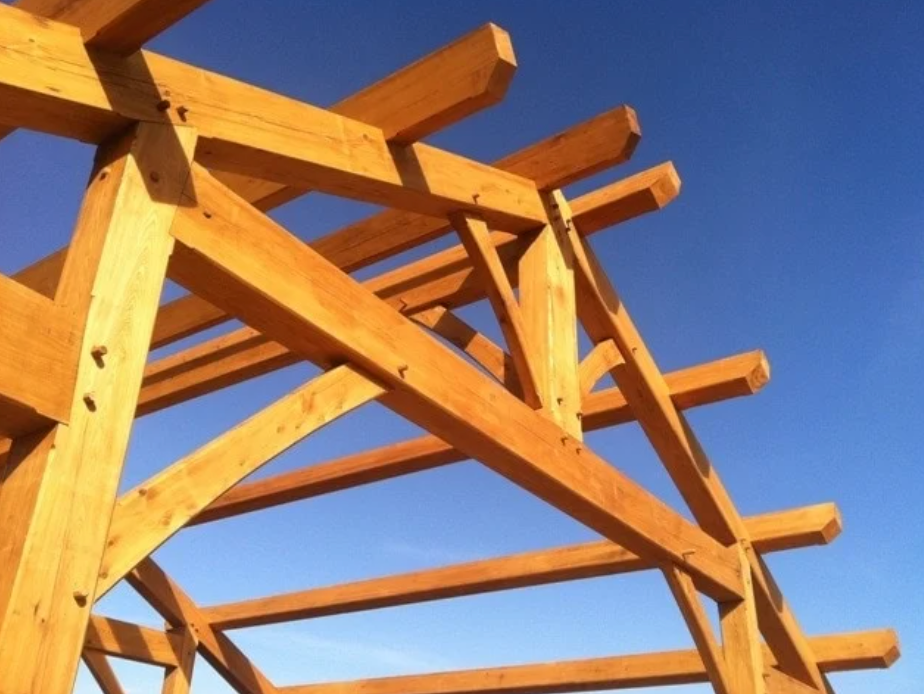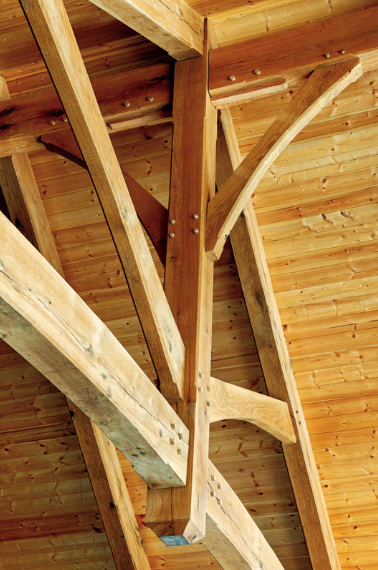
Timber framing construction is one of the oldest and most enduring building techniques in architectural history, used for thousands of years in traditional structures across Europe, Asia, and early North America. Archaeological evidence shows mortise-and-tenon joinery in ancient Egyptian furniture and vessels, as well as in early timber buildings and ships, long before the use of metal fasteners became common. In traditional architecture, this joinery method allowed builders to create strong, self-supporting timber frames using precisely cut wood connections secured by wooden pegs rather than nails.
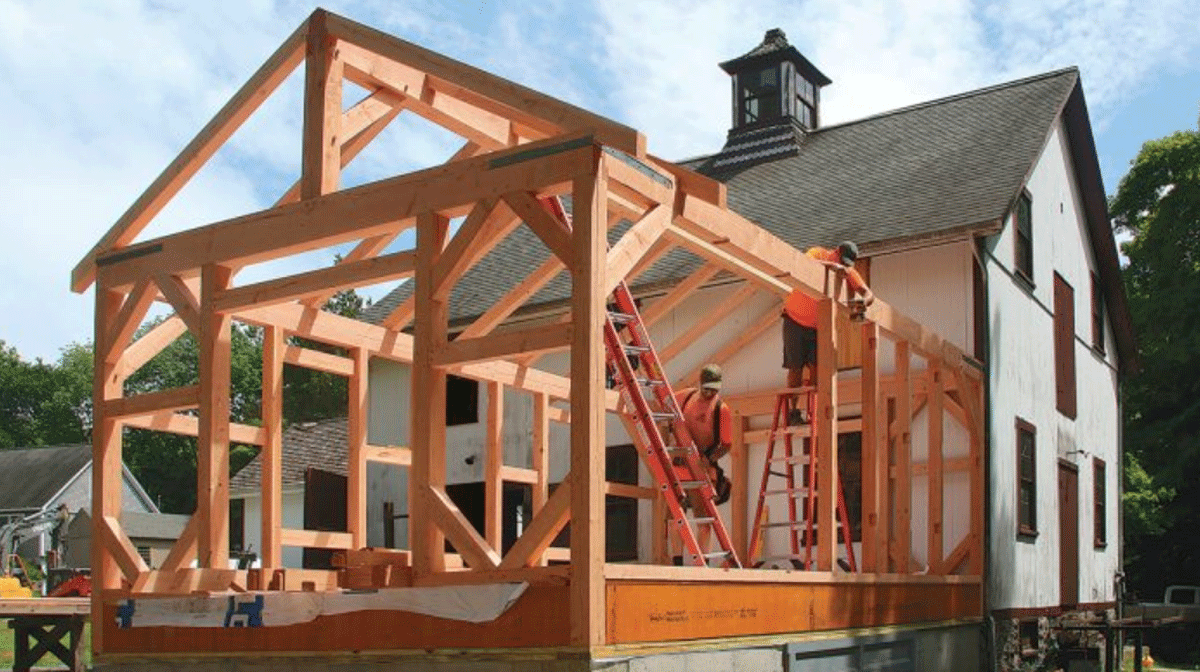
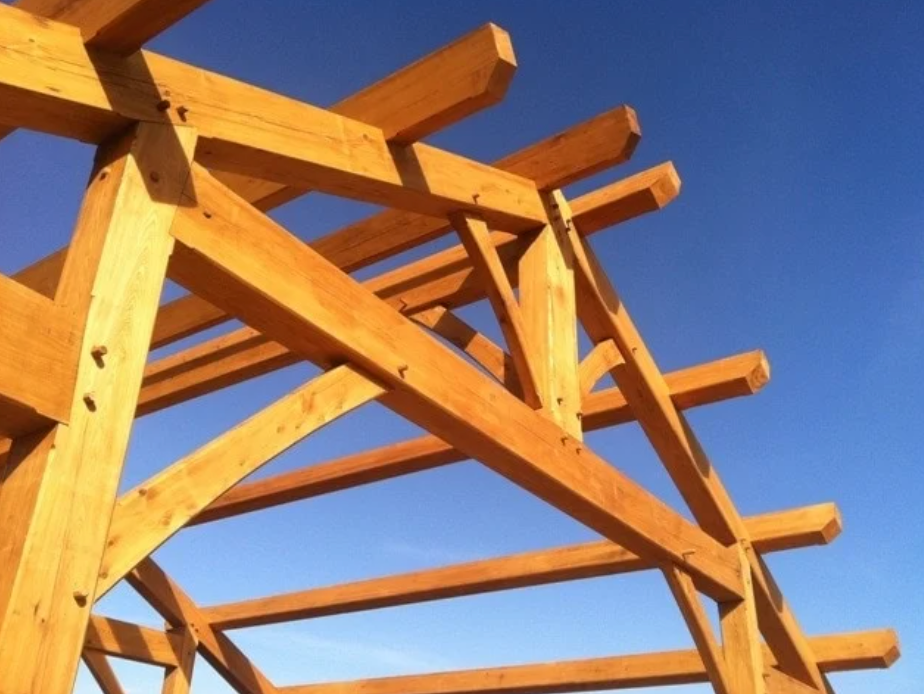
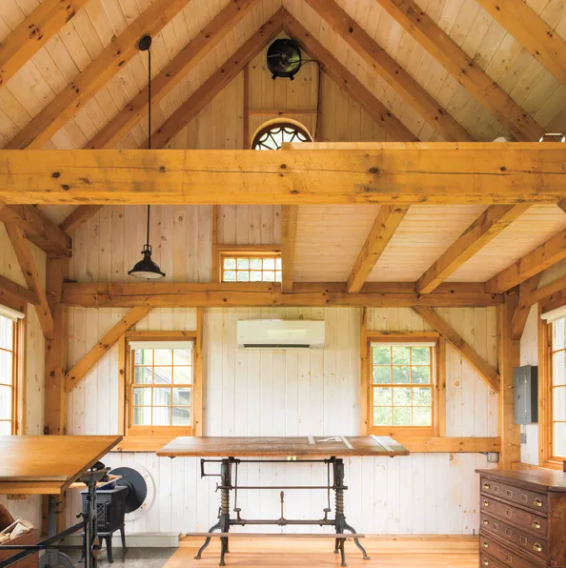
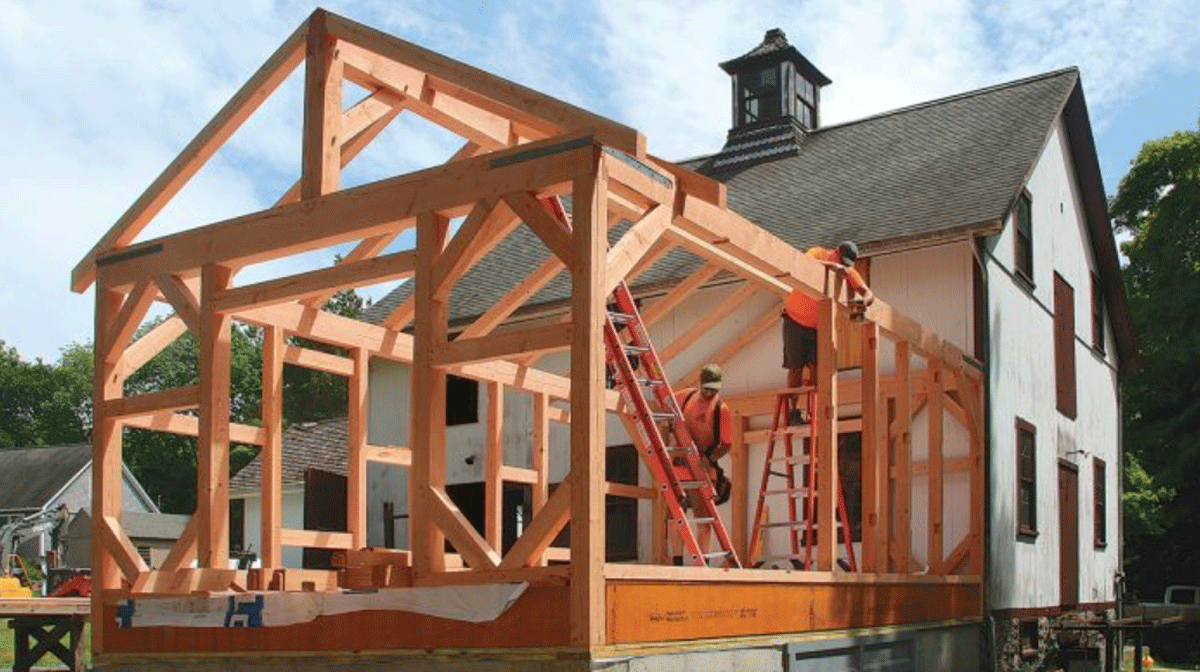
In traditional home design and timber frame barns, mortise and tenon joinery became a defining characteristic of post-and-beam construction, particularly in historic barns, farmhouses, and civic buildings. Medieval and early American builders relied on this method to span large spaces, support heavy roof loads, and allow structures to flex naturally over time. Many historic barns and homes still standing today demonstrate the long-term durability of mortise and tenon framing, making it a preferred approach for projects that value authenticity, craftsmanship, and architectural longevity.
Today, mortise and tenon design continues to inform custom residential architecture, blending historic precedent with modern engineering and building standards. Whether used in a timber frame home, a traditionally inspired residence, or a handcrafted barn, this approach emphasizes exposed structure, honest materials, and timeless proportions. By drawing on centuries-old construction methods, mortise and tenon design supports traditional architecture that feels rooted in history while remaining relevant for contemporary living.
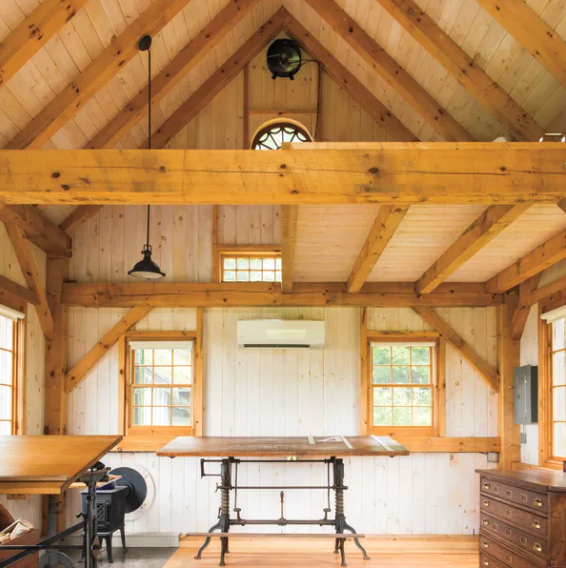
A long-standing member and instructor with the Northford Timber Framers in Northford, Connecticut, Thom brings over 20 years of hands-on experience designing and building with this time-honored tradition of Square Rule Timber Framing.